Menstrual Hygiene Project
Nearly two billion people around the world menstruate every month. Yet millions of women and girls across the globe go without the knowledge, supplies, and facilities needed to manage their menstrual health and hygiene with safety and dignity. As many as 500 million people globally lack access to basic menstrual products and hygienic bathroom facilities. Without these essentials, menstruation is more than a biological reality. Paired with misconceptions, taboos, and discriminatory social norms, menstruation becomes a barrier to education, health, and opportunity.
The Global Challenge
Menstrual hygiene is a fundamental part of health, yet it remains one of the most overlooked developmental challenges worldwide. Limited access to sanitary products, clean water, soap, safe toilets, and privacy—combined with stigma and misinformation—leave women and girls vulnerable to infections and creates far too many barriers to participating in public spaces, including school, work, and community events.
In rural areas across 12 countries, at least 1 in 10 women and girls report not having a private place to wash and change during their last period. This is not just a health issue. It is an issue of equity, dignity, and opportunity.
The Reality in Mungu, Zambia
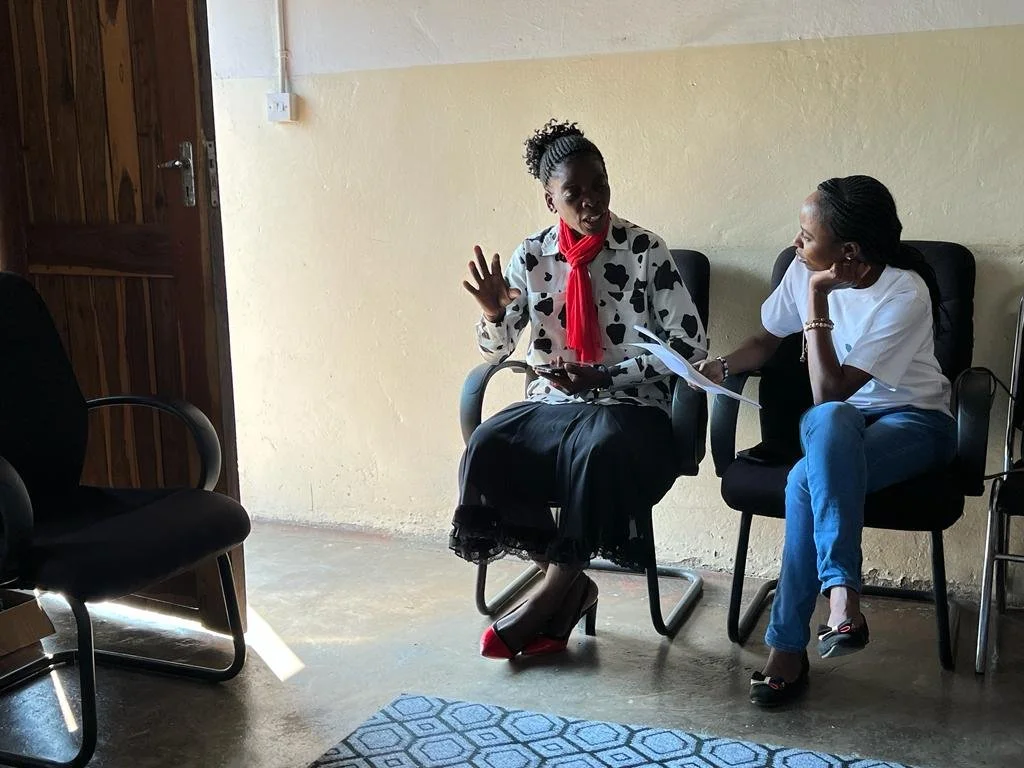
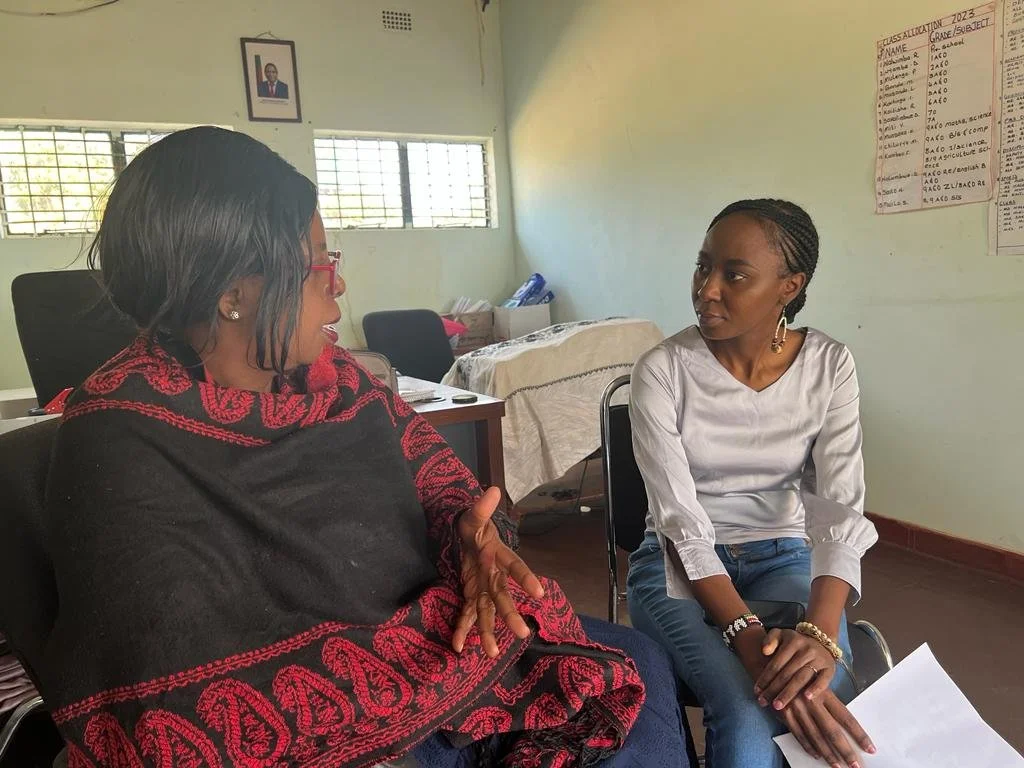
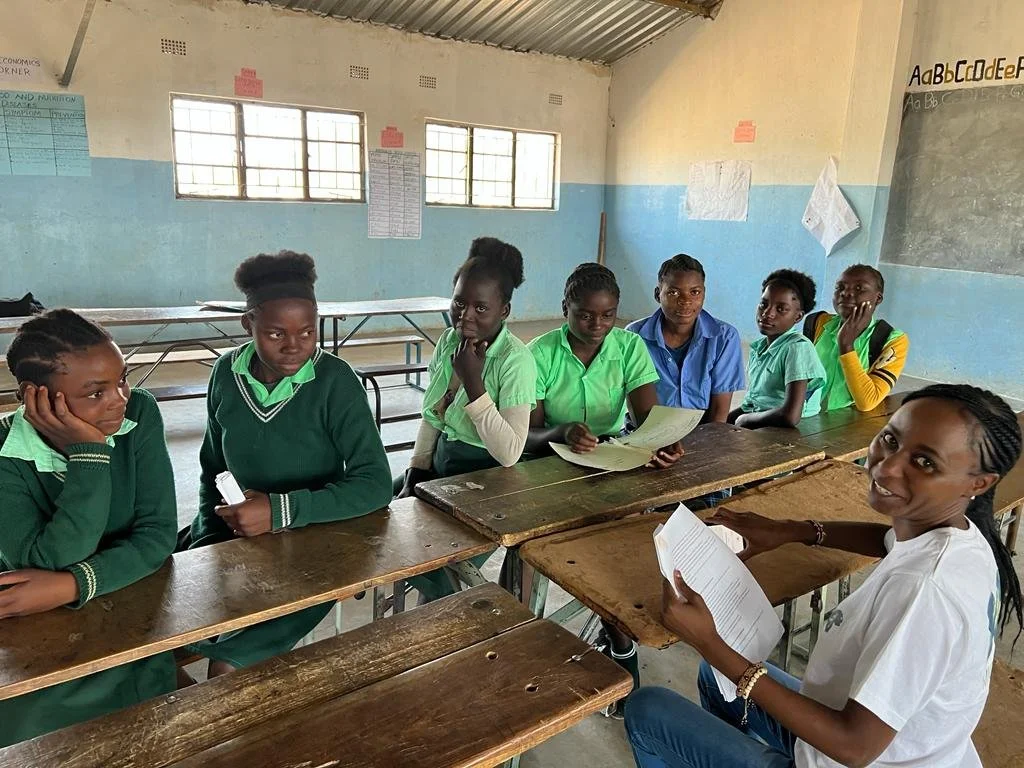
In Mungu, menstrual poverty is a daily reality. Based on feedback from the needs assessment conducted in spring 2023, focus groups of women informed MIGHTi of the disparities that exist around menstrual hygiene in the Mungu community. Women and girls often rely on home-fashioned pads made from “chitengi” cloth - a material not designed for absorption. The result is persistent rashes, infections, and fear of leakage. Many women report cuts and discomfort from prolonged use.
Yet, access to alternatives is limited. The nearest town is 5 kilometers away, and transportation is costly and unreliable. For many, purchasing menstrual products simply isn’t feasible. This leaves women facing an impossible choice: Leave home without protection or stay home and miss school, work, and community life.
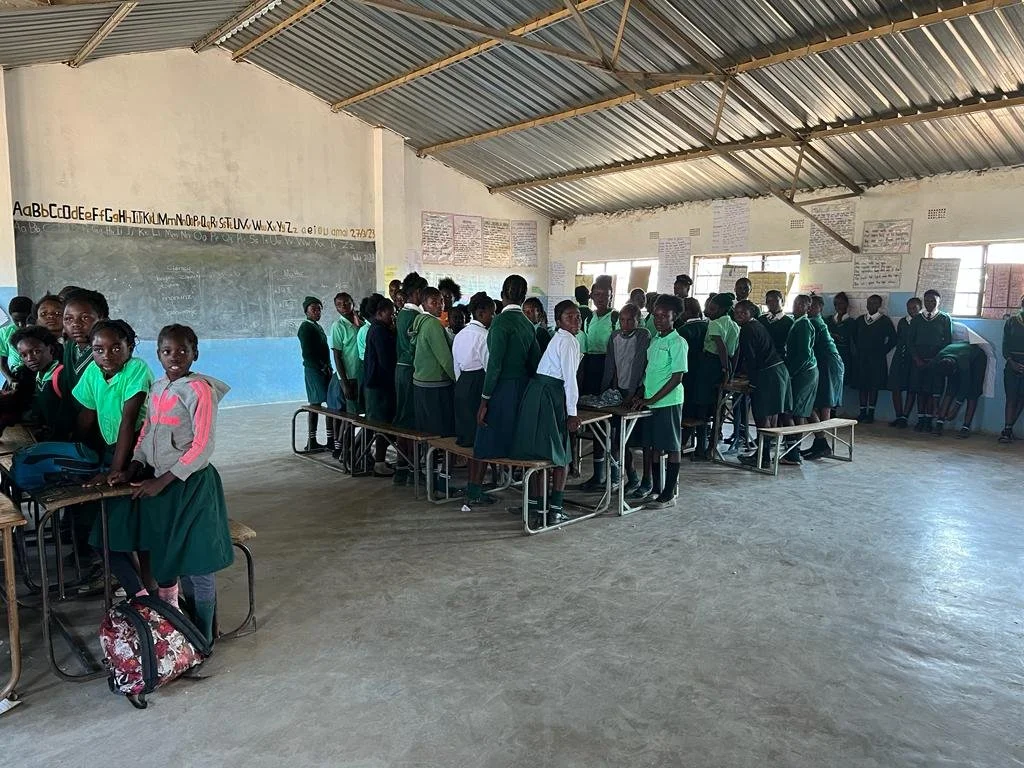
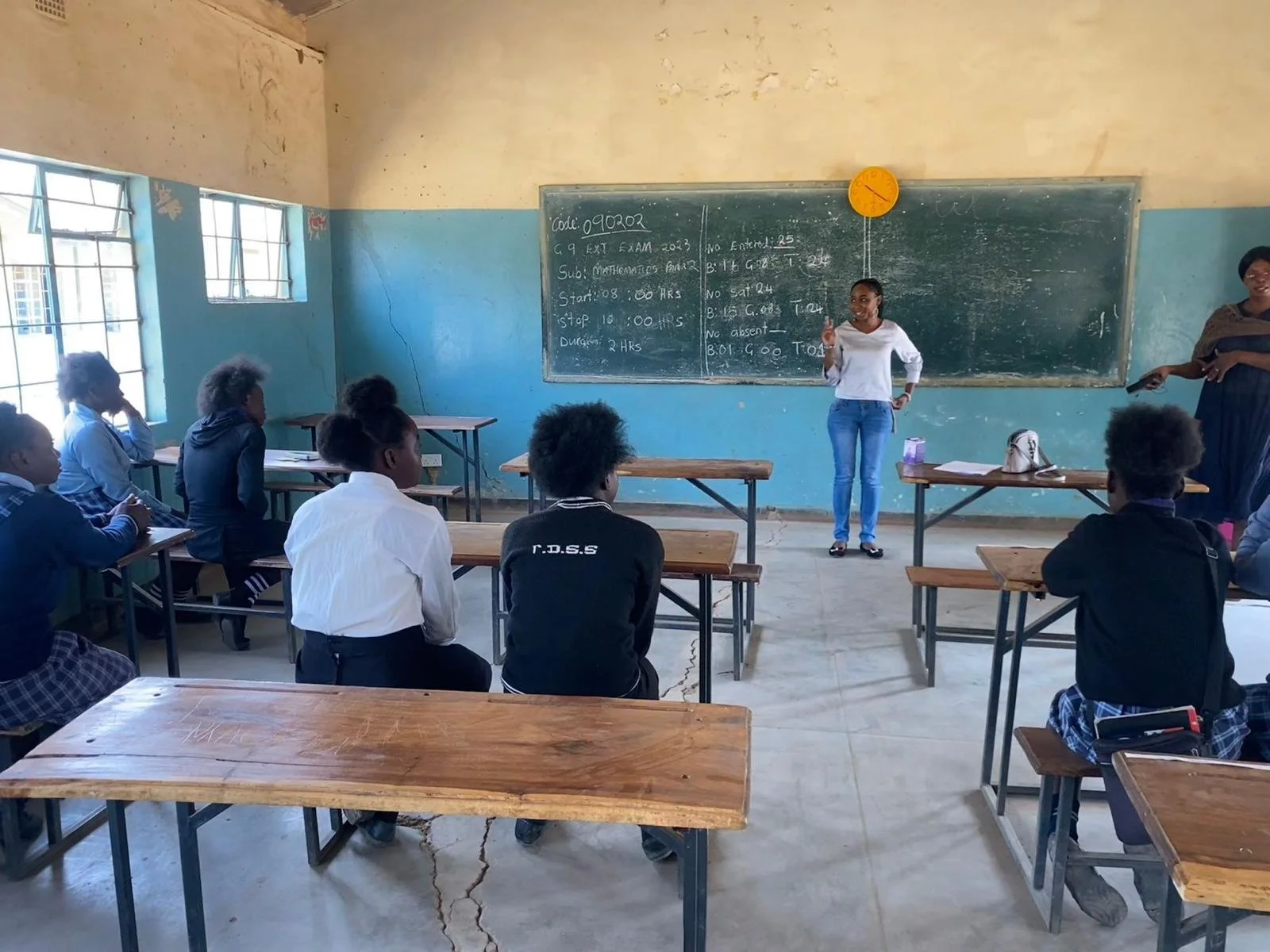
“Nzila was just 14 years old when she bled through her skirt in math class. We [the school] did not have options other than a pit latrine; there is no washroom or safe space for any girlchild to properly clean herself. Without access to any products, not even a spare cloth, and the students mocking her, Nzila resigned to walk home. That very week, she fled the school, never to return. Within months, she was pregnant, embarking on adulthood without an education.”
Our Solution: The Women’s Shop
Many efforts to address menstrual poverty rely on a one-size-fits-all approach that typically includes distributing a single type of product, such as reusable pads. But menstrual health is not one-size-fits-all. Women’s needs vary across their menstrual cycles, life stages, personal preferences, comfort, and economic circumstances. Current approaches overlook a critical factor: choice.
In other sectors, like agriculture and economic development, research shows that when people are given the ability to choose, outcomes improve across economic, social, and psychological dimensions. Menstrual health should be no different.

Thanks to a 4W Innovation Award from the University of Wisconsin-Madison, MIGHTi launched the “Munzi ni Munzi Amayi” (A Woman is a Village) project in 2025. The community-driven Women’s Shop, a space designed by women, for women with an attached Tea Room/Salon will offer a wide variety of menstrual products and household essentials at subsidized prices, along with fresh produce from the MIGHTi farm and specialty goods tailored to the local community. As the first of its kind in the area, the shop will also have a work-for-credit system, ensuring that those who cannot afford to pay still have access to the items they need. This model provides the dignity of choice while affirming that every women deserves autonomy in caring for her body. Looking ahead, the shop envisions women producing and selling their own goods, including menstrual pads and soap, creating additional opportunities for income and empowerment. Additionally, the shop will serve as a safe gathering space where women can connect, support one another, and receive training on women’s health and wellbeing.

MIGHTi plans to evaluate the impact of this model through surveys and focus groups, measuring its effectiveness against traditional one-size-fits-all approaches, where women are given one type of menstrual product without the option to choose.